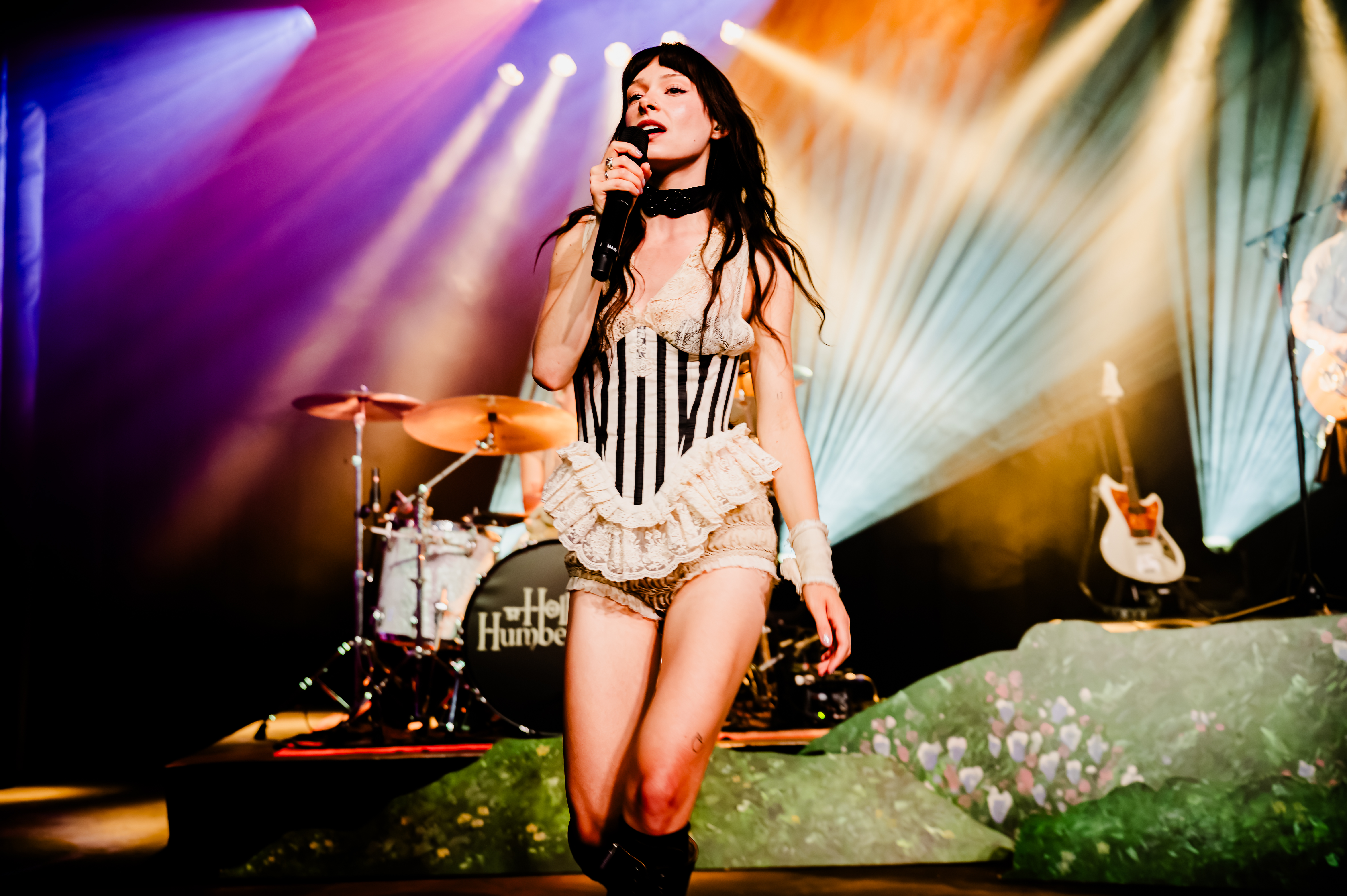
Some artists spend years learning how to fill a room like the Commodore Ballroom. Holly Humberstone walked onto its stage on June 25, 2026, and made the room feel a size too small almost immediately. That is no slight to a venue that remains one of Vancouver’s finest — the springy floor, the warm history, the just-right mid-sized intimacy are exactly why people love it — but there was a distinct sense all night of watching an artist in the final stretch before she moves somewhere much bigger. Humberstone has crossed from promising newcomer to full-fledged headliner, and this stop on her Cruel World tour played like a statement of exactly where she stands right now.
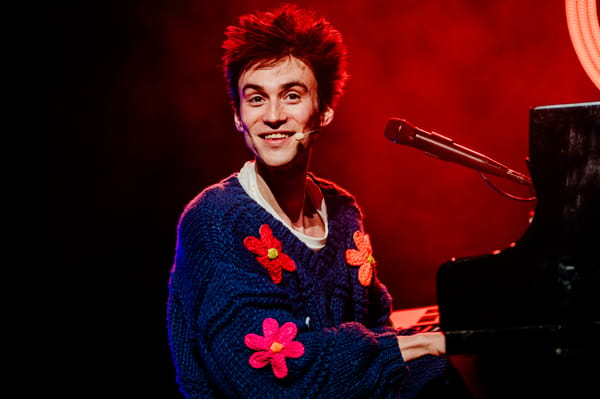
The night opened with Leyla Ebrahimi, who made the most of a short set and a first impression that stuck. She told the room it was her first time in Canada and her first time on tour, and that wide-eyed excitement ran through everything she did — bright, open-hearted and completely unguarded. She moved through “Say How You Feel,” “Nobody Matters But You,” “I Know You’re The Moon,” “Where Do You Go” and “I’m Sorry Maria,” chatting easily between songs and disarming the room with a little self-deprecating charm. By the end of her five songs the crowd had done more than politely clap along for an opener; they had discovered someone. Keep an eye on that name.
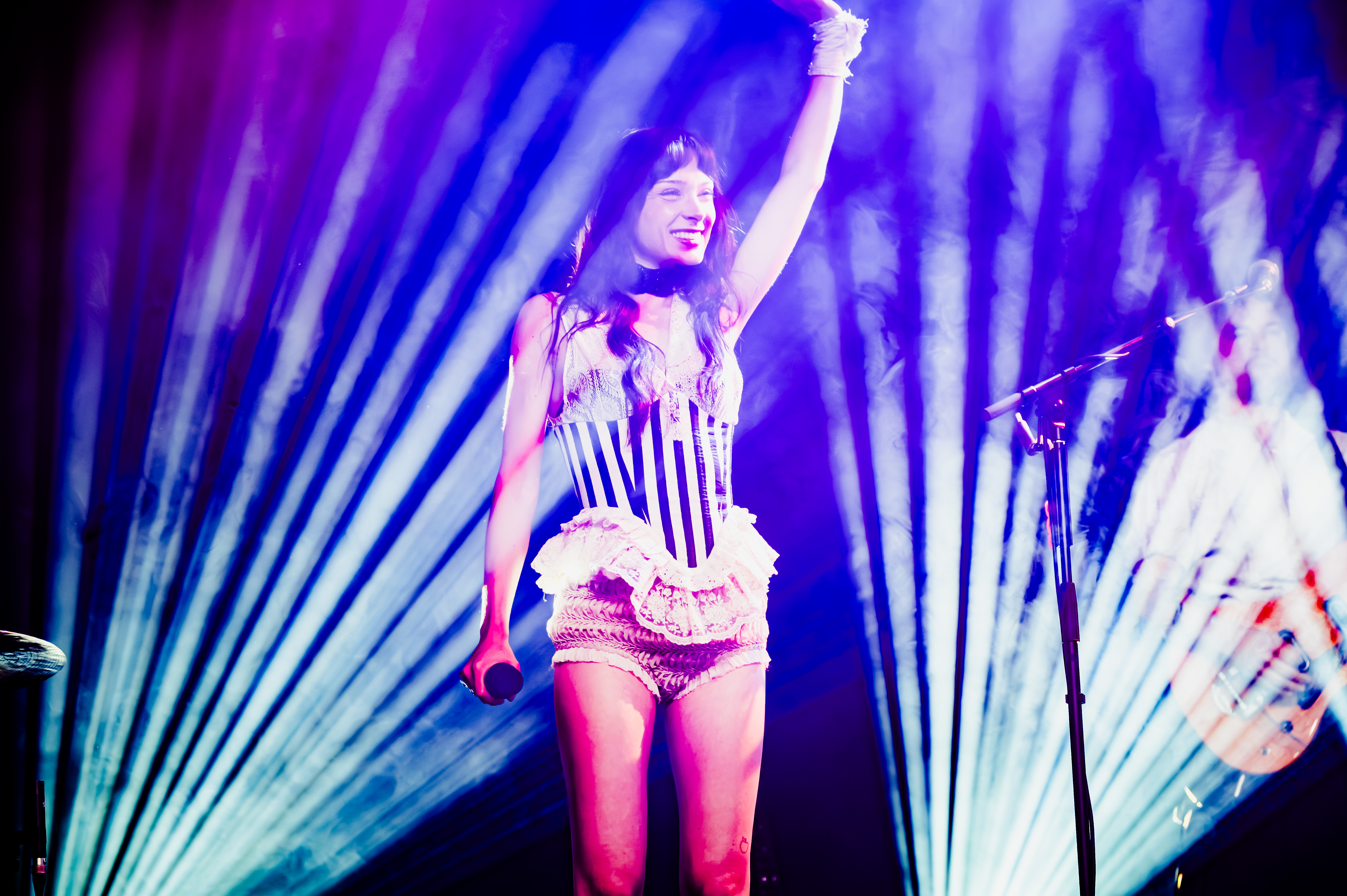
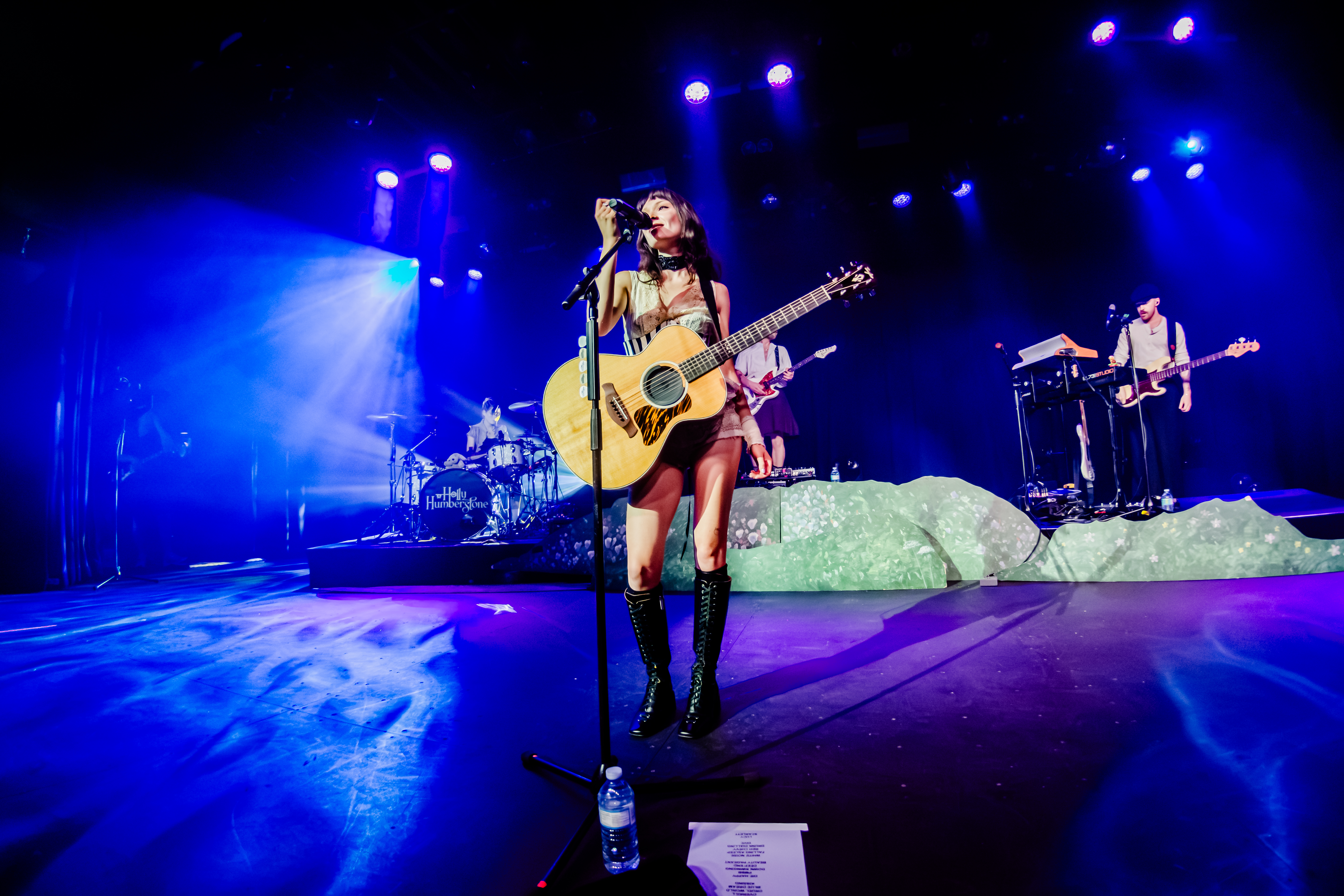
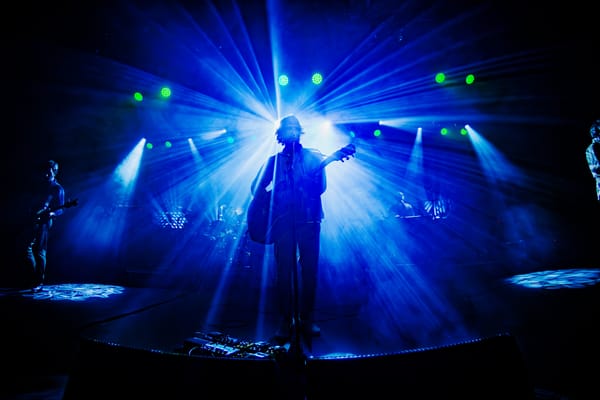
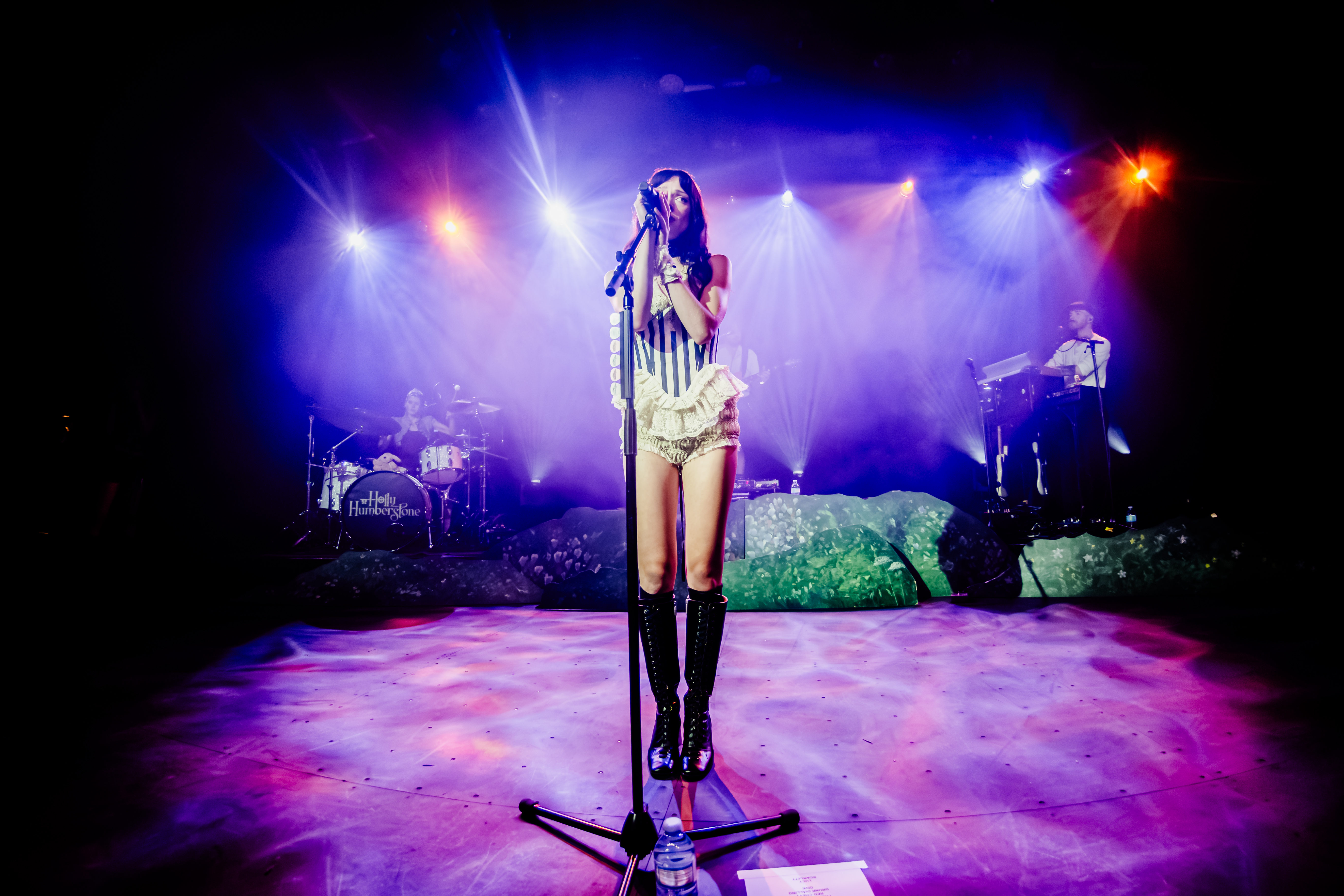
Then Holly Humberstone walked out, and the temperature of the whole room changed. She has the increasingly rare kind of presence that does not lean on spectacle — the stage was clean and open, the lighting gorgeous but restrained, with no towering rigs doing the emotional lifting for her. It was mostly space, light and Humberstone herself, and somehow the absence of clutter only made her loom larger. She opened with “Make It All Better” and “To Love Somebody,” easing the room in before “Walls” and a stark, aching “Overkill” raised the stakes.
From there the set settled into the push and pull that has become her signature. The surge of “Cruel World” and the shimmer of “Blue Dream” gave way to the hushed intimacy of “Kissing” and “Die Happy,” and a run through “P.I.B.,” “Down Swinging” and “Deep End” showed just how much muscle these songs have gained on the road. Humberstone stalked the stage with a quiet authority — small in frame, enormous in presence — at times looking like she was physically throwing each song out of herself, at others pulling everything inward until her voice went feather-light and almost devastatingly pretty.
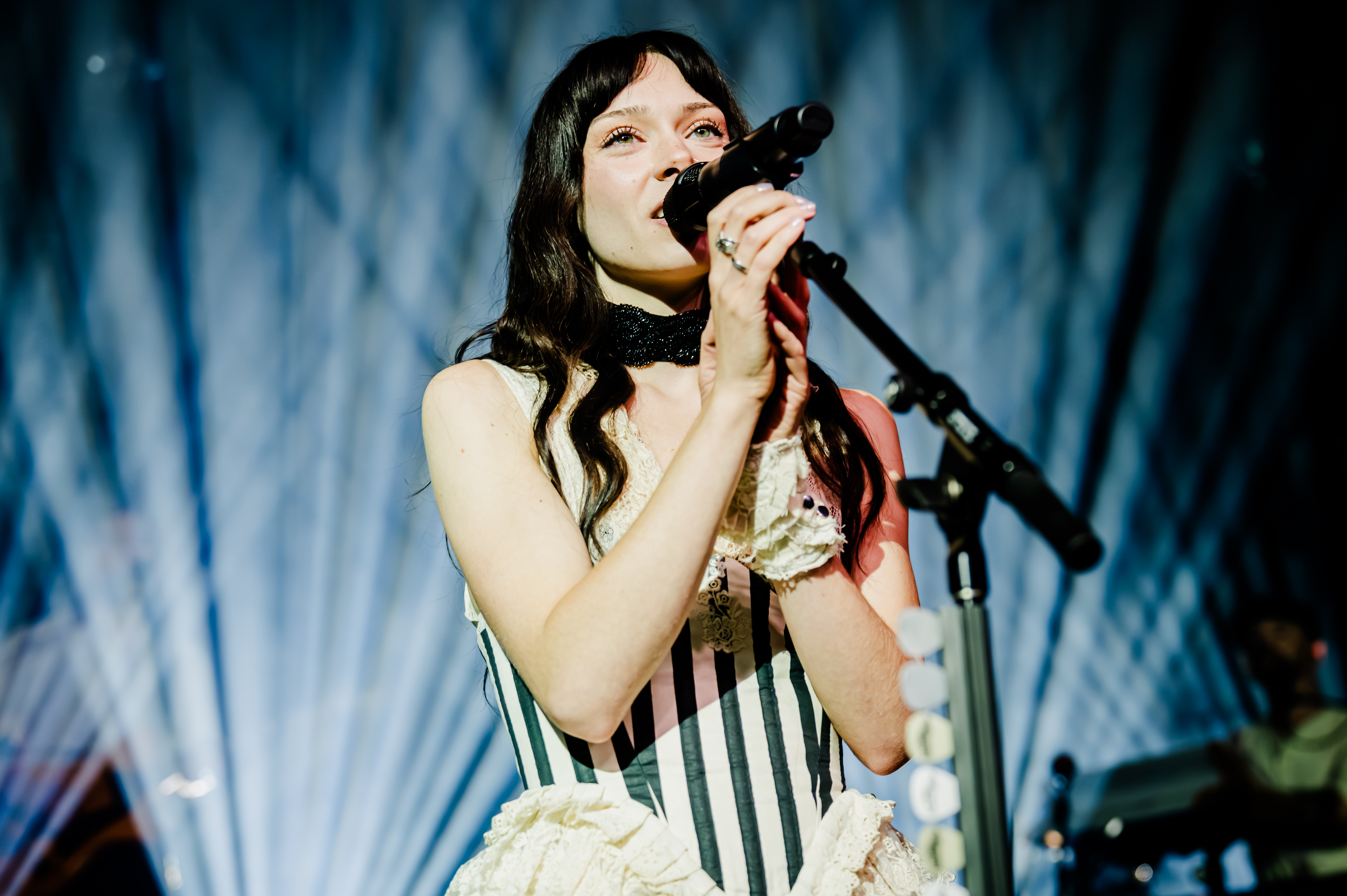
That voice is the heart of it. It is powerful when a song demands power and fragile the instant it asks for restraint, and it stayed emotionally clear even over a packed, humming Commodore floor. “Beauty Pageant,” “White Noise” and “Falling Asleep” kept the middle of the set anchored in feeling, while “Red Chevy” and “Drunk Dialing” gave the crowd something to move and sing to. Every shift landed cleanly, the kind of pacing that only comes from a tour’s worth of nights spent learning exactly how this material breathes in a live room.
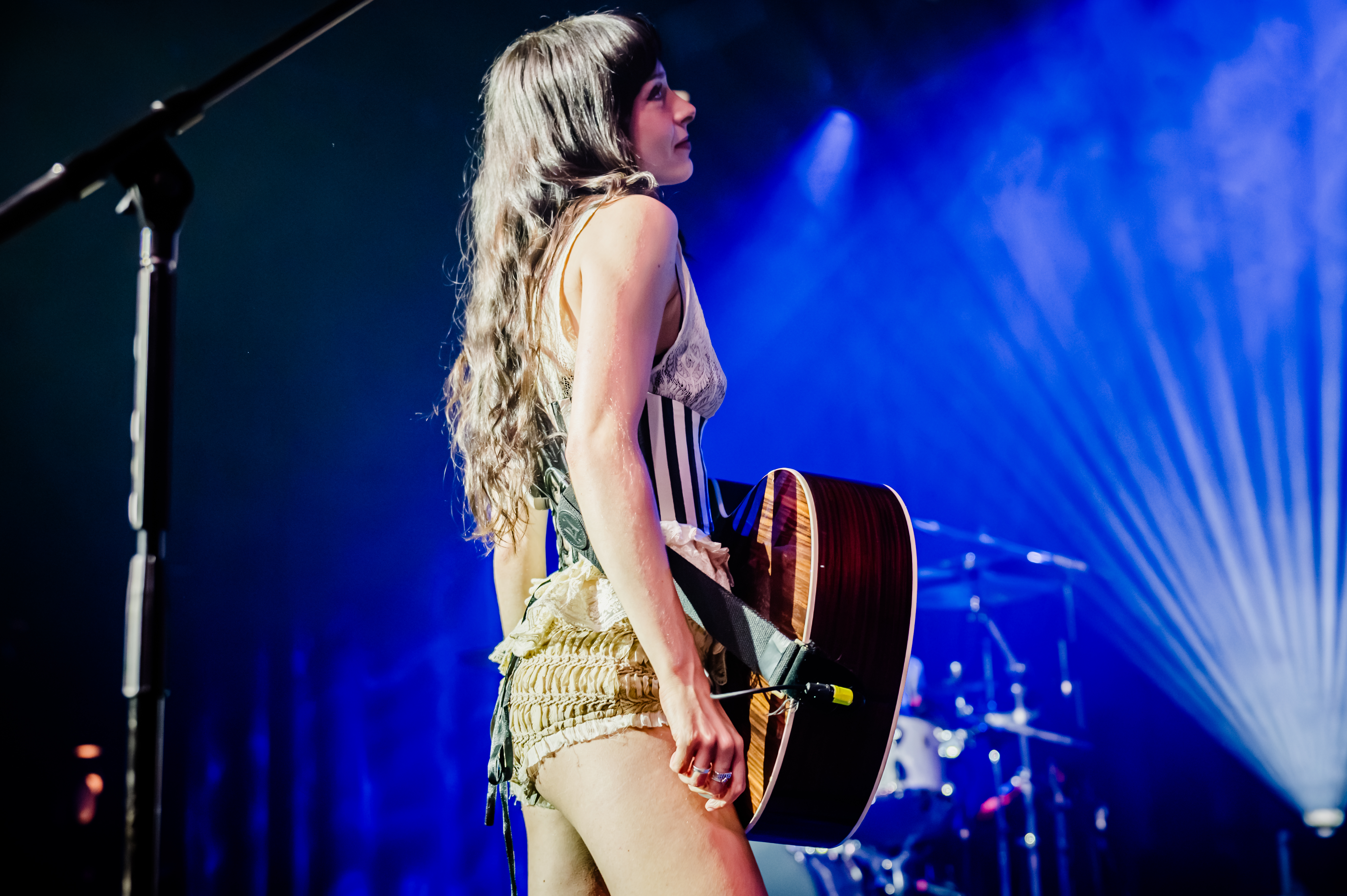
By the home stretch the room belonged to her completely. “Dive” and “Lucy” built toward the finish before she closed the night with “Scarlett,” one of the earliest songs to put her on the map and still one of the most potent things in her catalogue. She sent a packed Commodore home hoarse and glowing — the kind of crowd that had built its whole week around the show and got everything it came for.
The devotion in the room said as much as the performance did. This was no casual night out for the people pressed against the barrier; it was the sort of audience that travels for an artist and knows every word by heart. That is the position Humberstone occupies now — big enough to command that kind of loyalty, still close enough to meet every one of them eye to eye from a mid-sized stage.
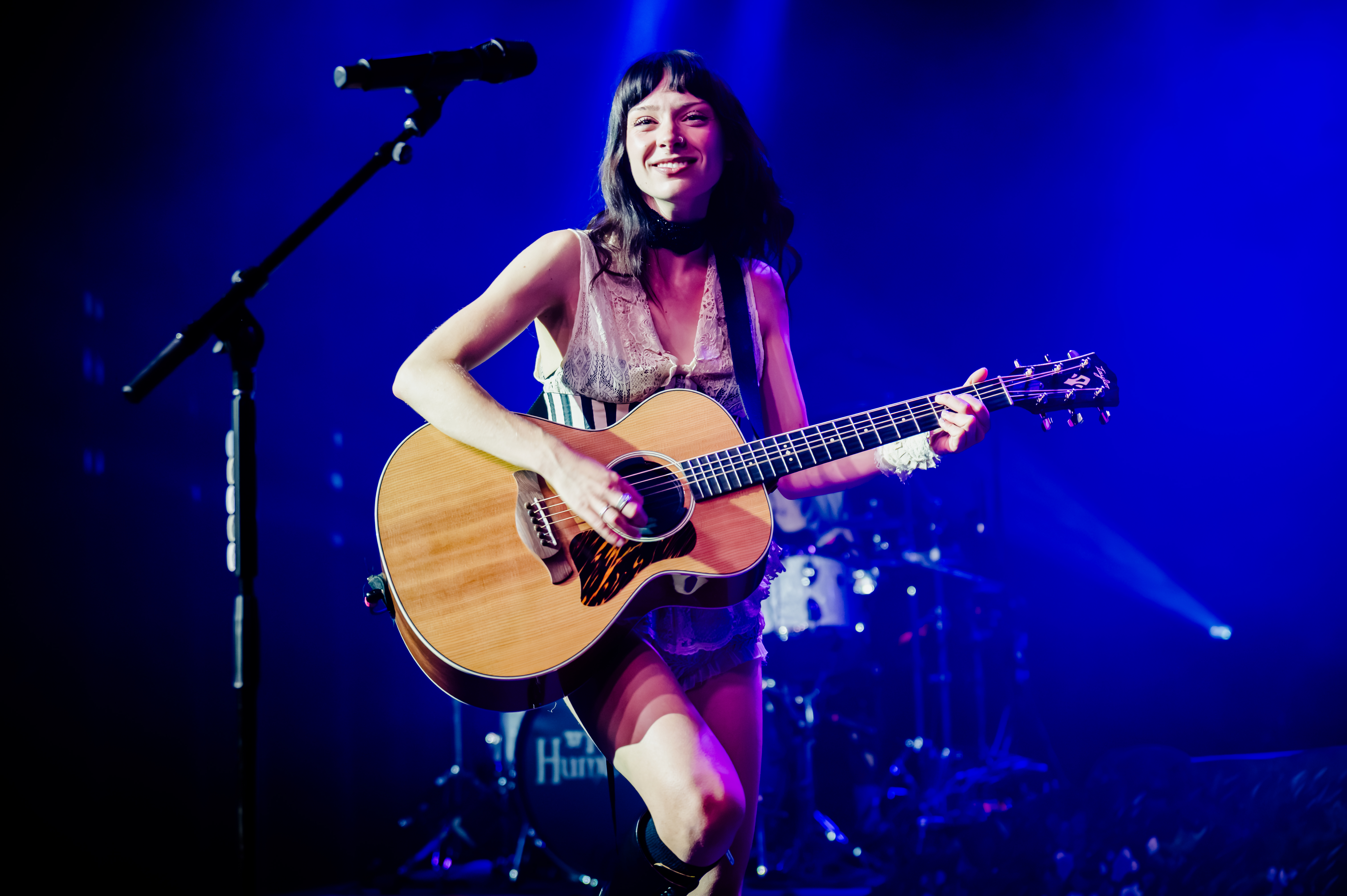
It is hard to leave a night like this without the feeling that the rooms are about to get much larger. Humberstone did not need excess, big production or a single wasted gesture to hold a full house in her hand; she simply had the songs, the voice and the presence, and let them do the work. The next time she comes through Vancouver, do not be surprised if it is somewhere considerably bigger. On this evidence, it already feels inevitable.